
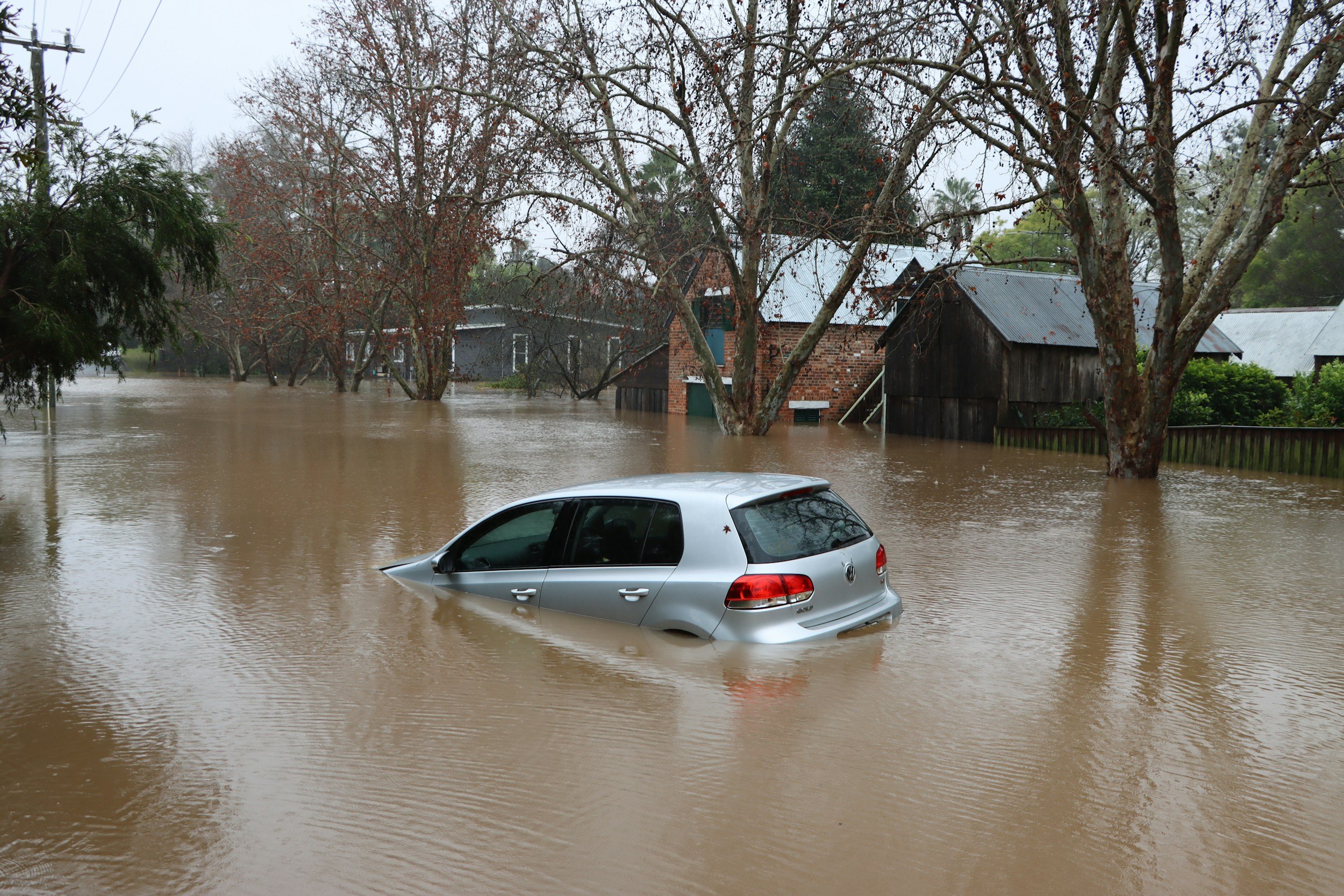
The Future of UK Flood Defences - Protecting Harbours, Marinas and Riverside Businesses from Flooding
Flooding has always been part of living and working around the coast, but the way we design and manage our waterfront infrastructure is changing.
With rising sea levels, more frequent storm events and ageing infrastructure, the question is no longer whether we need to invest in flood resilience—it's how we do it in a practical and sustainable way.
Much of the national conversation understandably focuses on protecting homes and communities, but our ports, harbours, marinas and riverside businesses are just as critical. They support local economies, keep supply chains moving and provide essential infrastructure. Protecting them isn't just good engineering—it's good business.
As Ian Dobson, Managing Director of TILT Engineering & Design, explains:
"A lot of attention and funding is rightly directed towards protecting homes, but if we want a resilient and growing economy, we also need to ensure that the businesses operating on our waterfronts are properly protected."
Harbours and marinas are on the frontline
Marine infrastructure is constantly exposed to some of the harshest conditions imaginable. Saltwater, tidal movement, vessel impact and increasingly severe storms all contribute to gradual deterioration over time.
For many harbour authorities, marina operators and private asset owners, the challenge isn't simply building new flood defences—it's understanding how existing infrastructure will perform over the coming decades.
Sea walls, quay walls, flood gates and breakwaters all require regular inspection and maintenance if they're going to continue protecting the assets behind them.
The earlier deterioration is identified, the more options are usually available. Planned maintenance is almost always more cost-effective than emergency repairs following a major storm event.
Looking beyond traditional flood defences
Flood protection isn't just about building higher walls.
Modern marine engineering is increasingly focused on creating resilient waterfronts that combine traditional structures with smarter design and, where appropriate, natural solutions.
Depending on the location, this could include:
improved sea walls and flood gates
storm surge barriers
raised quay levels
improved drainage systems
resilient waterfront layouts
salt marsh restoration
managed realignment
sustainable drainage systems
Every site is different, which is why understanding the local conditions is so important before deciding on the right solution.
Riverside infrastructure presents different challenges
Flood risk isn't limited to coastal locations.
Riverside developments face many of the same issues, often combined with rapidly rising river levels and drainage systems that struggle during periods of intense rainfall.
We've seen many projects where the flood defence itself performs well, but surrounding infrastructure becomes vulnerable because drainage, access or operational resilience hasn't been considered as part of the wider design.
Good engineering looks at the whole asset, not just one structure.
Sometimes relatively small improvements can make a significant difference to how a site performs during extreme weather.
Maintaining what we already have
One area that often receives less attention is the condition of our existing marine infrastructure.
Across the UK there are quay walls, jetties, flood walls and river structures that have served communities for decades, in some cases well over a century.
Many continue to perform remarkably well.
The challenge is understanding their condition before deterioration becomes a major problem.
Regular inspections allow asset owners to identify defects early, prioritise maintenance and make informed decisions about repair or replacement. In many cases, extending the life of an existing structure can provide excellent value while reducing disruption and embodied carbon compared with complete reconstruction.
Designing for a changing climate
Climate resilience is becoming an increasingly important part of every marine engineering project.
Engineers are now designing with higher water levels, changing wave climates and more frequent extreme weather events in mind.
That doesn't necessarily mean building bigger structures.
It often means designing smarter ones.
Understanding how an asset will perform over the next 50 or 100 years requires careful consideration of future operational requirements, maintenance strategies and changing environmental conditions.
The earlier these conversations happen in a project, the better the long-term outcome is likely to be.
Collaboration will be key
No single organisation can solve the UK's flood resilience challenge on its own.
Government, local authorities, harbour authorities, developers and private businesses all have a role to play.
The most successful projects are usually those where engineering, environmental considerations and operational requirements are considered together from the very beginning.
As Ian puts it:
"Protecting our waterfronts isn't just about responding after storms. It's about understanding our assets, maintaining them properly and designing today's projects so they're ready for tomorrow's conditions."
Looking ahead
Flood resilience isn't a one-off project.
It's an ongoing process of inspection, maintenance, adaptation and investment.
Whether it's improving existing flood defences, designing new marine infrastructure or helping clients understand the condition of their assets, taking action early almost always delivers better outcomes than reacting after damage has occurred.
For businesses operating around the water, resilience isn't simply about protecting buildings—it's about protecting operations, livelihoods and the communities that depend on them.
Planning a waterfront project?
Whether you're upgrading existing flood defences, developing new marine infrastructure or looking to understand the condition of your existing assets, TILT Engineering & Design provides practical engineering advice, inspections and design solutions that help clients build more resilient waterfronts.