
Port Planning
& Master Planning For Ports
Creating Efficient, Future-Ready Ports that Work — Operationally and Commercially
At TILT Engineering & Design, we combine engineering expertise, commercial awareness, and operational insight to plan and develop ports that are efficient, resilient, and ready for the future.
From berth optimisation to long-term masterplanning, we design strategies that align operational requirements, safety, and commercial performance — helping port operators, developers, and investors make smarter decisions about their marine assets.
Our Approach
We understand how ports really operate — how vessels move, how space is used, and how infrastructure earns its keep. Our engineers have worked alongside harbour authorities, marina operators, and private developers to deliver plans that maximise utilisation and extend the life of critical marine assets.
We focus on:
Operational efficiency – smarter layouts, safer movements, reduced downtime
Commercial competitiveness – maximising throughput and profitability per metre of quay or berth
Engineering practicality – solutions that are buildable, cost-effective, and low maintenance
Environmental compliance – integrating sustainability and future consenting considerations
We know boats. We know infrastructure. And we know how to make both work harder.
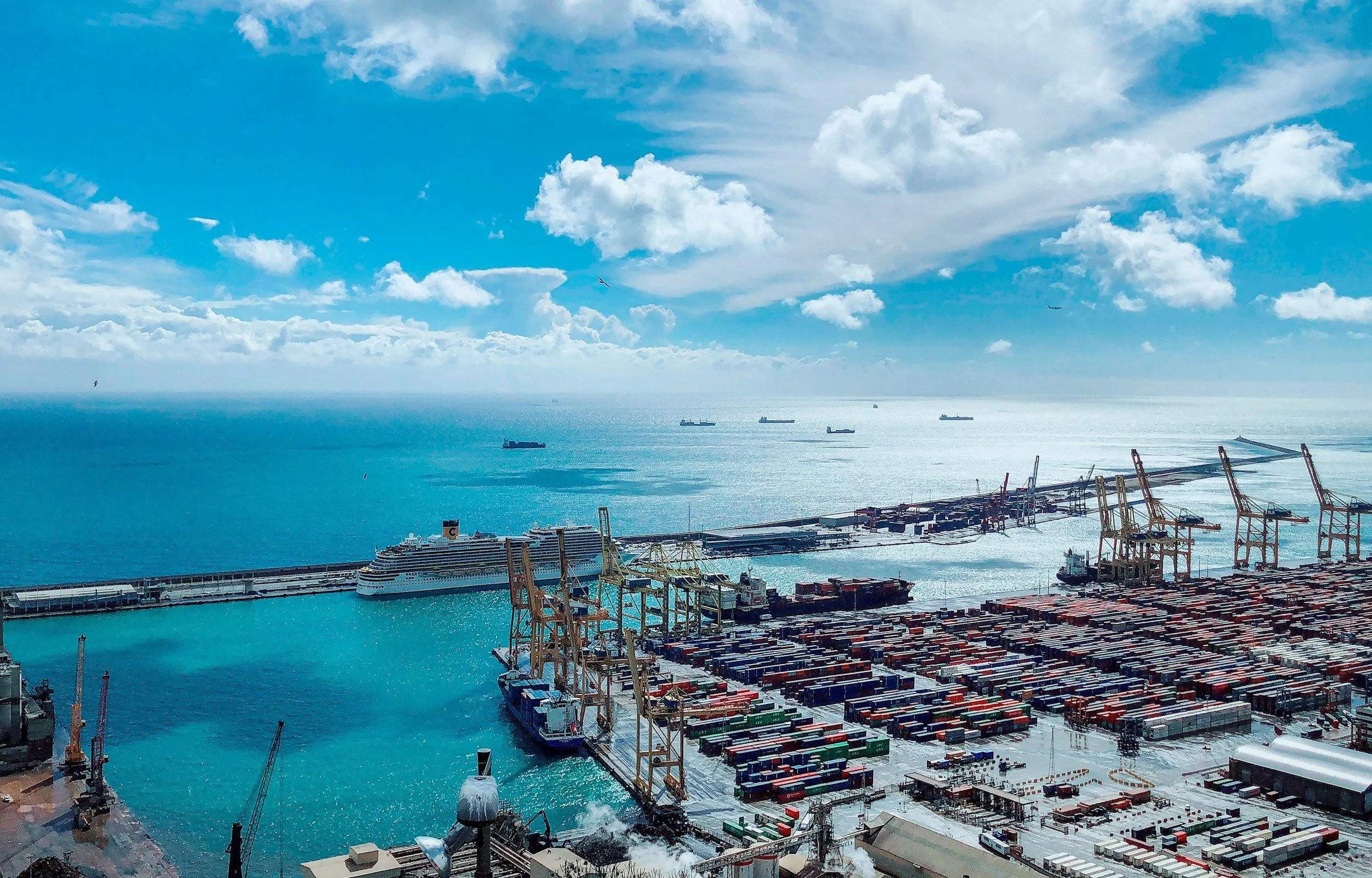
Our Port Planning and Port Master Planning Services
Port Masterplanning & Feasibility Studies
Strategic planning for expansion, redevelopment, or optimisation.
We evaluate physical constraints, infrastructure condition, environmental context, and market drivers to define a clear development pathway.
Site analysis and options appraisal
Capacity and throughput modelling
Berthing and navigational layout studies
Market and demand alignment
Sustainability and resilience planning
Berth & Infrastructure Optimisation
Sweating the asset — improving performance without unnecessary rebuild. We identify under-utilised areas, bottlenecks, and maintenance priorities to help ports operate leaner and more efficiently.
Structural and geotechnical review of existing assets
Quay wall and mooring configuration optimisation
Traffic, storage and access layout improvements
Maintenance and upgrade prioritisation plans
Engineering & Design Integration
We ensure the port masterplan connects seamlessly to practical design and construction. Our multi-disciplinary team delivers detailed civil, structural, and geotechnical design for implementation.
Quay wall and piling design
Dredging and reclamation planning
Services and access infrastructure
Temporary works and build sequencing
Commercial & Operational Advisory
Working closely with environmental We help port operators and investors evaluate business cases and futureproof investment. Our engineers understand the numbers — asset life, ROI, operating cost and resilience.
Asset performance benchmarking
Lifecycle cost and value engineering analysis
Maintenance and investment planning
Integration of automation and future technologies
Development & Consenting Support
We support clients through planning, marine consents, and stakeholder engagement. Our integrated approach ensures development plans align with environmental and regulatory requirements — from concept to approval.
Coordination with MMO, EA, harbour and planning authorities
Supporting documentation for Marine Licence or planning applications
Outline design drawings and method statement
Why Choose TILT
Every successful port starts with a well-considered master plan.
Whether you're expanding a commercial berth, improving operational efficiency or planning for future growth, effective port master planning provides the framework for long-term investment and phased development.
At TILT Engineering & Design, we support port owners, operators and developers with practical engineering input from the earliest planning stages through to detailed design and construction.
-
Real-world design insight ensures plans that can actually be built and maintained.
-
Every plan considers utilisation, revenue generation, and ROI.
-
Civil, structural and geotechnical specialists under one roof.
-
Commercial ports, marinas, boatyards and waterfront redevelopments.
-
From feasibility and consent through detailed design and delivery.
Ready to Plan Your Port for the Future?
Whether you’re expanding, reconfiguring, or revitalising an existing facility, we’ll help you shape a plan that performs — technically, operationally, and commercially.
FAQs
-
A port master plan is a long-term strategy for the development, operation and maintenance of a port or harbour. It considers current operations, future growth, infrastructure requirements, environmental constraints and commercial objectives to create a phased plan for investment over the coming years. A well-prepared master plan helps port owners make informed decisions and ensures development is delivered in a coordinated and sustainable way.
-
Ports are complex, long-life assets where individual projects often affect the wider operation of the site. Master planning allows future expansion, maintenance and operational improvements to be considered together, helping to reduce costs, minimise disruption and ensure investments deliver long-term value. It also provides a clear direction for stakeholders, regulators and investors.
-
Engineering input ensures proposals are technically feasible, commercially practical and capable of gaining the necessary approvals. Identifying engineering constraints early helps avoid costly redesigns, programme delays and unexpected construction issues later in the project.
-
A typical study includes a review of existing infrastructure, site constraints, operational requirements, future capacity, engineering options, environmental considerations, marine consenting requirements, phased development opportunities and high-level cost planning. The exact scope is tailored to the needs of each project.
-
Port master plans are typically developed by a multidisciplinary team led by experienced engineers and planners. Depending on the project, this may include civil and structural engineers, coastal engineers, environmental specialists, transport planners and planning consultants. The process works best when technical expertise is combined with a clear understanding of how the port operates day to day.
-
Yes. Not every project requires new infrastructure. We regularly help clients optimise existing assets by improving layouts, increasing operational efficiency, extending asset life and identifying practical engineering improvements that maximise the value of existing facilities.
-
Yes. Our experience includes commercial ports, harbours, marinas, boatyards, waterfront developments, riverside infrastructure and other marine assets across the UK. Every project is different, but the engineering principles remain the same.
-
Environmental and consenting considerations are built into the planning process from the outset. We work alongside environmental specialists and engage with organisations such as the Marine Management Organisation (MMO), Environment Agency, harbour authorities and local planning authorities where appropriate, helping to reduce consenting risks later in the project.
-
Most port master plans look ahead between 20 and 30 years, although they should be reviewed periodically as operational needs, legislation, technology and commercial priorities change. The plan should provide a long-term vision while remaining flexible enough to adapt as circumstances evolve.
-
Yes. While a master plan is not a planning application itself, it provides valuable evidence that proposed developments form part of a considered long-term strategy. It can support discussions with planning authorities, regulators, investors and stakeholders by demonstrating how individual projects contribute to the wider development of the port.
-
Absolutely. We support clients from the earliest feasibility studies through detailed engineering design, marine licensing, condition inspections, construction support and ongoing asset management. This provides continuity throughout the life of a project and ensures engineering decisions remain aligned with the original strategy.
Thinking about the next stage of your port?
Every port is different, and there's rarely a one-size-fits-all solution.
Whether you're planning future expansion, reviewing ageing infrastructure or simply exploring what's possible, we'd be happy to talk through your ideas and help identify the most practical way forward.
Our team supports clients from the earliest master planning discussions through to detailed design, marine licensing and construction support.
Get in touch for an informal conversation about your project.