
Marine Structure Inspections That Help You Make Confident Decisions
Independent inspections of quay walls, jetties, pontoons, flood defences and marine infrastructure throughout the UK. Clear reports. Practical recommendations. Fast turnaround.
We undertake inspections of all types of marine and waterfront infrastructure, including:
Quay and river walls
Jetties, pontoons and slipways
Sheet pile and retaining structures
Bridges and culverts
Flood defences and embankments
Harbour and marina infrastructure
Whether you’re a port operator, marina owner, local authority, insurer or private client, we provide the independent technical assessment you need to make confident decisions.

Our Inspection Services
Visual & Condition Inspections
Our Level 1 (visual) inspections identify signs of distress, corrosion, cracking, settlement, scour, or damage. We record photographic evidence and produce structured condition ratings to industry standards.
Visual and close-up inspection (above and below waterline)
Defect mapping and severity classification
Maintenance recommendations and risk rating
Detailed & Intrusive Inspections
Where required, we undertake more detailed investigations to confirm structural integrity, material properties, or hidden defects.
Core sampling and material testing
Structural thickness and corrosion measurement
Geotechnical probing and scour assessment
Load testing and finite element back-analysis
Emergency & Post-Incident Inspections
When damage occurs due to collision, storm or failure, we mobilise quickly to assess stability, public safety and repair options.
Rapid mobilisation and site visit
Temporary stabilisation recommendations
Cause and effect reporting
Support for insurance and reinstatement
Drone & Remote Surveys
We use drones, ROVs and photogrammetry to safely capture difficult-to-access areas such as high quay walls, undersides of jetties or tidal zones — reducing the need for scaffolding or diving operations.
UAV and ROV survey capture
High-resolution orthomosaic imaging
3D condition models and volumetric analysis
Every Inspection Includes
Detailed technical inspection report by Chartered Civil Engineers
Photographic record and defect drawings
Summary of condition and remaining service life
Prioritised maintenance and repair recommendations
Budget-level cost estimates (if required)
Make confident investment decisions ~
Reduce inspection costs with modern survey technology ~
Independent advice you can trust ~
Know what needs fixing first ~
Make confident investment decisions ~ Reduce inspection costs with modern survey technology ~ Independent advice you can trust ~ Know what needs fixing first ~
Periodic & Asset Management Inspections
For clients managing multiple structures, we provide scheduled inspection programmes and data dashboards to track deterioration, plan maintenance and forecast costs.
Periodic inspection scheduling
Asset register and GIS mapping
Lifecycle cost and repair forecasting
Integration with asset management systems
Get clarity on the condition of your marine or waterfront asset.
We’ll provide a tailored inspection proposal and timescale to suit your site, budget and access conditions.
Recent Maritime Inspection Projects
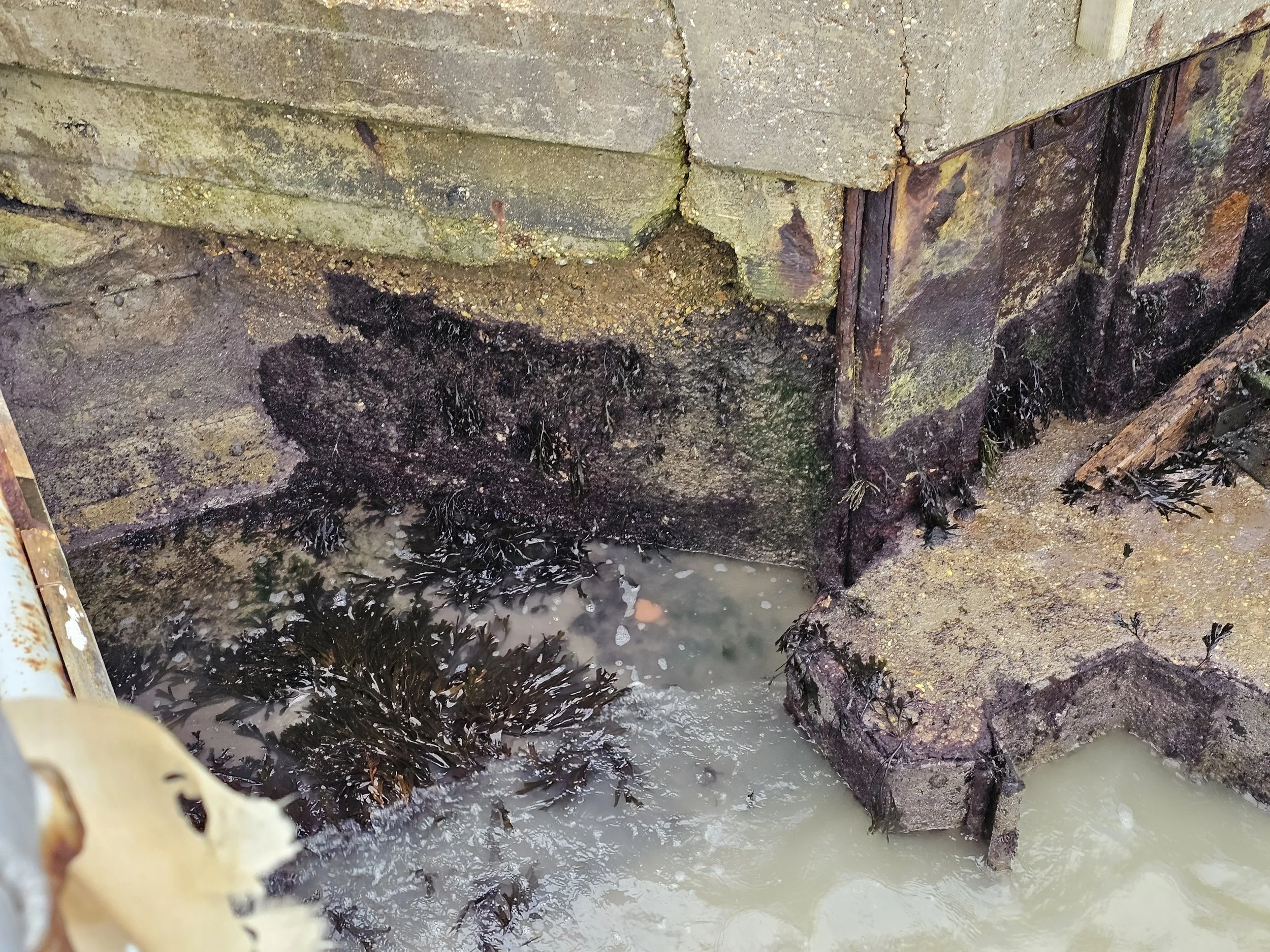
Seawall & Jetty Condition Assessment
Project: Seahaven, Great Yarmouth
TILT assessed the condition of an ageing seawall and jetty to identify the most appropriate maintenance strategy.
Solution
Comprehensive structural inspection, review of diving survey and NDT data, and production of a prioritised engineering report.
Outcome
Targeted remedial works identified to extend asset life while avoiding unnecessary replacement and supporting informed investment decisions.
Services
✓ Marine inspections
✓ Structural assessment
✓ Asset management advice
✓ Engineering reporting
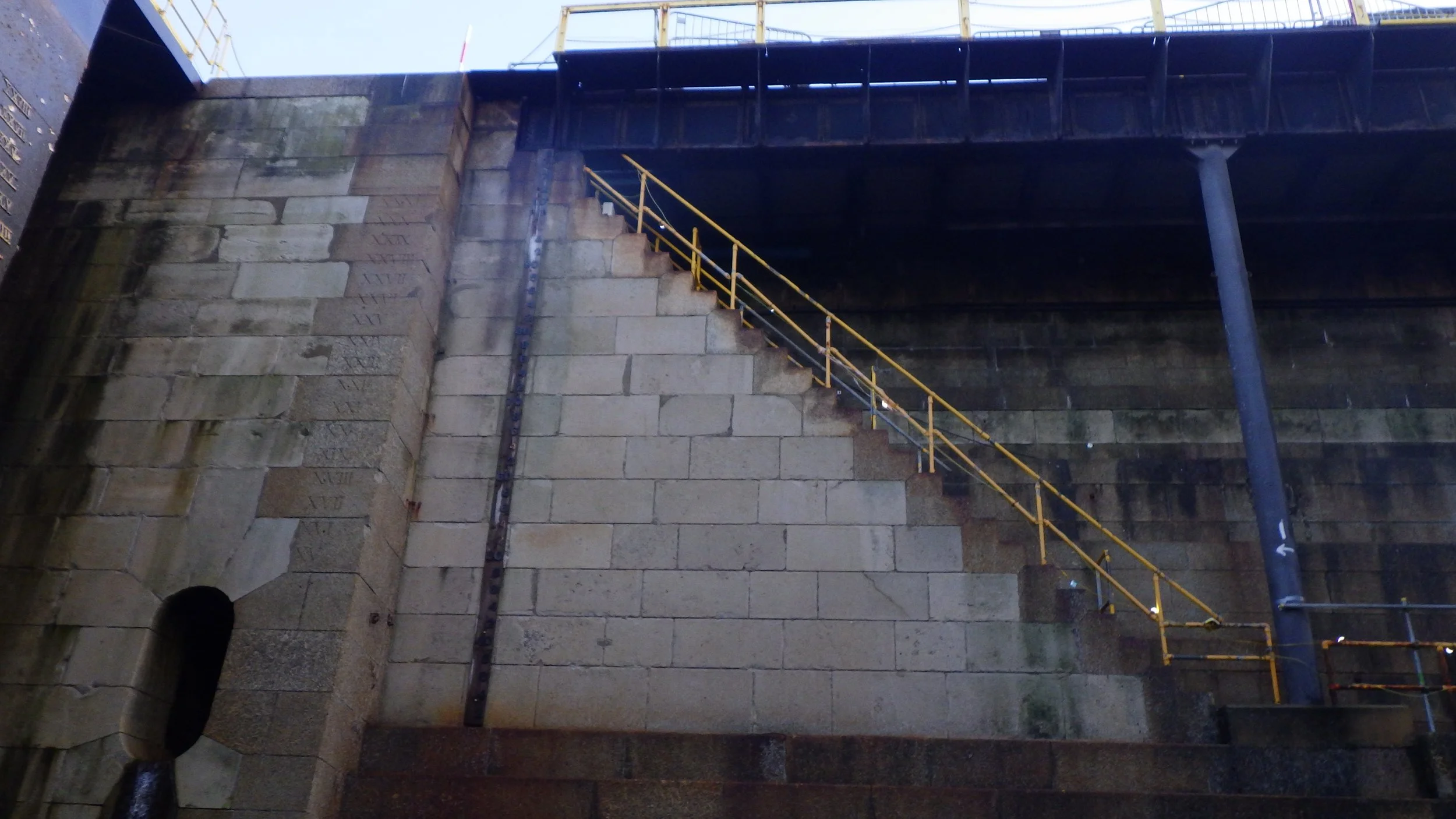
Dry Dock Condition Assessment
Our client is planning future redevelopment and needed an independent engineering assessment of two operational dry docks to understand their condition, identify maintenance priorities and inform future investment.
Solution
TILT carried out a comprehensive visual inspection, reviewing structural condition, operational considerations, safety equipment, environmental management and long-term maintenance requirements before producing a detailed engineering report.
Outcome
The assessment confirmed the docks remained suitable for continued operation while identifying targeted repairs, monitoring requirements and a strategic maintenance programme to maximise asset life and support future redevelopment planning.
Services
✓ Dry dock inspections
✓ Structural condition assessment
✓ Asset management planning
✓ Strategic engineering advice
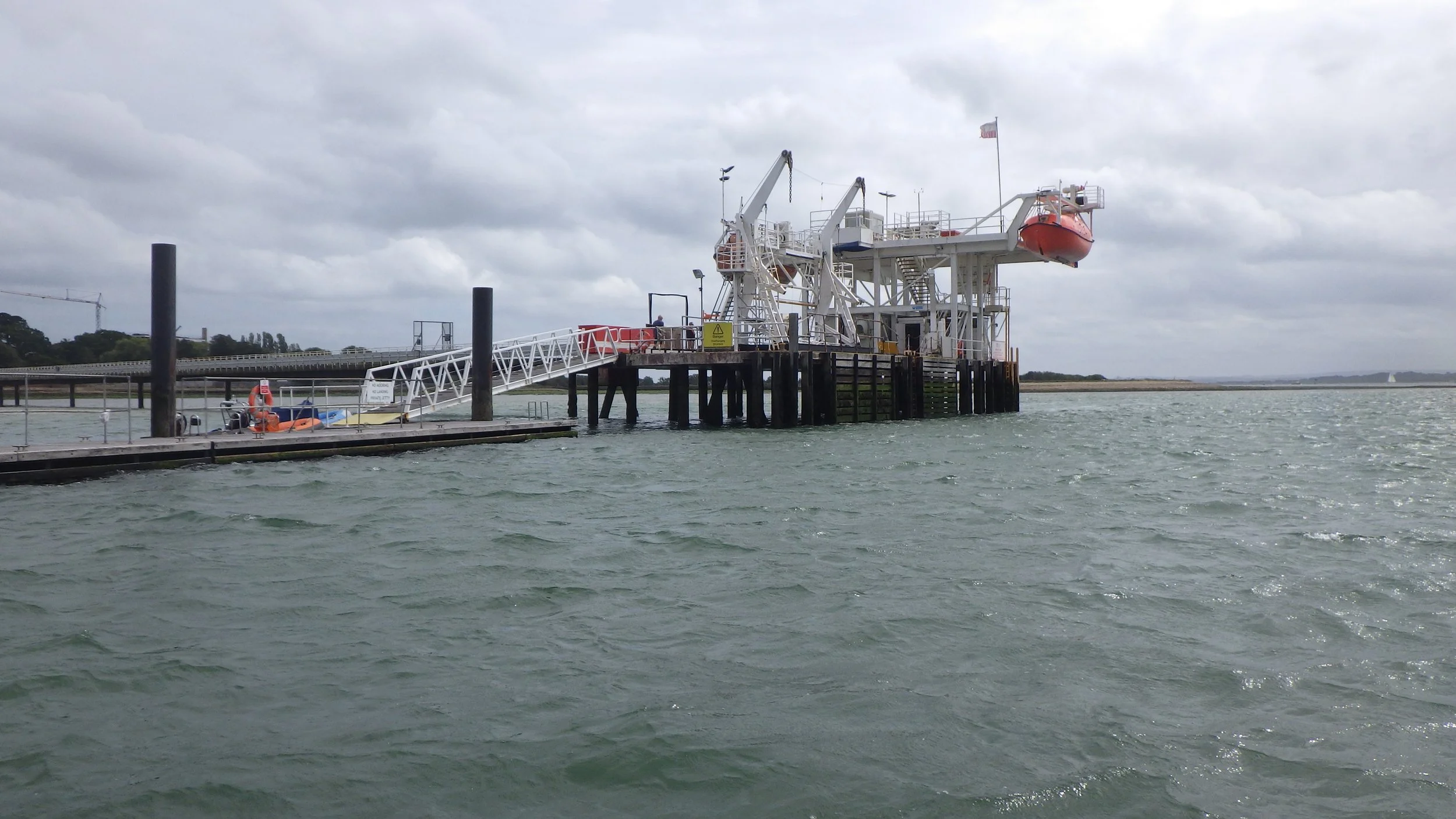
Marine Training Pier Inspection
Project: Solent University, Warsash
Solent University required an independent engineering assessment of its marine training pier and jetty to understand its structural condition, prioritise maintenance and support long-term asset management.
Solution
TILT carried out a comprehensive inspection using shoreline access, workboat surveys, ultrasonic thickness testing and underwater camera inspections before preparing a detailed condition report and maintenance strategy.
Outcome
The jetty was confirmed as suitable for continued operation, with a prioritised programme of repairs and monitoring recommendations helping the University protect a critical maritime training asset while extending its operational life.
Services
✓ Marine Structural Inspections
✓ Ultrasonic thickness testing
✓ Asset condition assessment
✓ Lifecycle planning and maintenance strategy
FAQs
-
We inspect a wide range of marine and waterfront assets including quay walls, jetties, pontoons, slipways, dolphins, berths, flood defences, retaining walls, bridges, culverts and sheet piled structures. Whether your asset is located within a commercial port, marina, harbour or inland waterway, we provide practical inspections tailored to its condition and operational requirements.
-
Inspection frequency depends on the age, condition and use of the structure. As a general guide, many marine assets should undergo a routine condition inspection every 2–5 years, with additional inspections following vessel impacts, major storms or significant changes in loading. We can also help you develop a long-term inspection programme as part of your asset management strategy.
-
Yes. Where required, we coordinate underwater inspections using commercial divers and remotely operated vehicles (ROVs) to assess below-water elements that cannot be inspected safely from the surface. These inspections provide valuable information on scour, corrosion, marine growth and structural condition.
-
Absolutely. Every inspection report includes practical recommendations based on the condition of the asset. We help clients understand which defects require immediate attention, which can be monitored and which can be incorporated into future maintenance programmes, helping you make the most cost-effective decisions.
-
Yes. Our reports are prepared by Chartered Civil Engineers and provide clear evidence of asset condition, identified defects and recommended actions. They can support insurance claims, regulatory compliance, maintenance planning and funding applications where an independent engineering assessment is required.
-
We combine traditional engineering inspections with modern survey technology where appropriate, including drones, photogrammetry, ROV surveys, digital mapping and high-resolution photography. This allows us to inspect difficult-to-access areas safely while producing accurate records of asset condition.
-
Yes. We understand that marine structures can be damaged by vessel impacts, storms or unexpected failures. Where possible, we can mobilise quickly to assess structural condition, identify immediate risks and provide recommendations to support safe operation and emergency repairs.
-
The cost depends on the type, size and complexity of the structure, as well as access requirements and whether specialist surveys are needed. Smaller inspections may be completed for a few thousand pounds, while larger assets or multi-site inspection programmes require a bespoke quotation. Contact us for a no-obligation proposal.
-
Many inspections can be completed in a single day, although larger ports or complex structures may require several days on site. We will always provide an estimated programme before work begins and aim to minimise disruption to your operations.
-
In most cases, yes. We regularly work within live operational environments and plan inspections to minimise disruption to commercial activities while maintaining the highest standards of health and safety.
-
Following the site visit, we prepare a detailed inspection report that documents the condition of the asset, identifies defects, explains the likely causes, assesses associated risks and provides prioritised recommendations. Where required, we can also develop repair designs, provide engineering calculations or assist with long-term asset management planning.
-
Yes. We work with port operators, marinas, councils, developers, contractors, insurers and private asset owners. Whether you own a commercial quay, marina, retaining wall or riverside structure, we can provide independent engineering advice.
-
Yes. Unlike many inspection companies, we also provide marine civil engineering design services. This means we can take your project from inspection through to repair design, temporary works, construction support and long-term asset management, providing a single point of contact throughout.
-
Marine structures operate in highly aggressive environments and require specialist knowledge of tidal conditions, corrosion, marine loading, vessel impacts and coastal processes. TILT specialises in marine civil engineering, meaning our recommendations are based on practical experience of designing, inspecting and managing marine infrastructure across the UK.