
Sustainable Engineering in Ports, Harbours and Coastal Infrastructure
How TILT integrates practical, lower-carbon and environmentally responsible design into every project.
Sustainability in marine and coastal engineering is often spoken about in broad terms, but at TILT we treat it as a practical discipline — one that directly influences safety, cost, resilience and long-term performance.
Rather than adding “sustainability” at the end of a design, we embed environmental thinking from the moment a project begins. The result is infrastructure that performs better, lasts longer and creates positive outcomes for the people and places it serves.
Below is an overview of how we apply sustainable principles across our work in ports, harbours and coastal assets.
1. Reuse Before Replace
The most sustainable option is often the simplest: avoid unnecessary reconstruction.
Through detailed inspections, condition assessments and structural analysis, we identify where existing assets can be retained, strengthened or adapted rather than rebuilt.
This approach reduces embodied carbon, cuts material use and often shortens programme timescales. It also ensures budgets are directed where they add the most value — not on replacing structures that still have life left in them.
2. Optimised, Not Over-Engineered
Sustainability and cost-effectiveness go hand in hand.
We use data-led modelling — wave and hydrodynamic analysis, geotechnical assessments, drone surveys and 3D models — to design precisely what is needed. No more, no less.
Better information means more confident decisions, reduced contingency and a design that is tailored to the actual loads, environment and operational requirements of the site.
This prevents over-engineering, reduces material quantities and results in assets that are robust without being unnecessarily heavy or costly.
3. Smarter Material Choices
Material selection plays a significant role in sustainability. We specify materials that balance durability, embodied carbon and environmental compatibility, including:
low-carbon concrete options
recycled or responsibly sourced steel
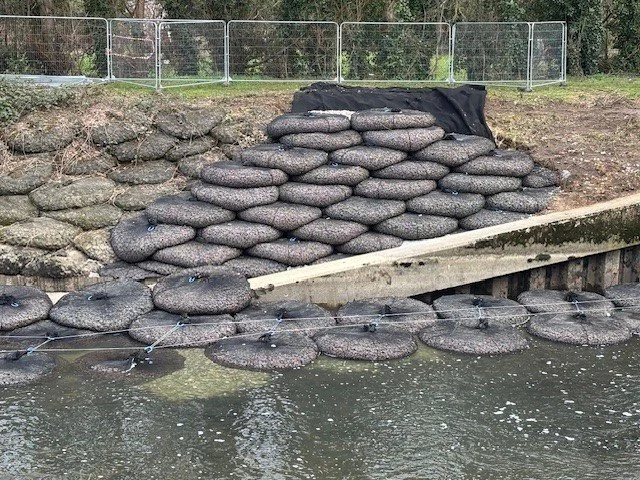
settlement-tolerant rock-bag systems
marine-grade timbers for low-impact groyne and revetment works
corrosion-resistant finishes that extend design life
These decisions reduce long-term maintenance demands and improve resilience in exposed coastal environments.
4. Environmental Assessments That Support the Project
Environmental assessments should never be a barrier to progress.
We take an engineering-led approach, integrating environmental considerations — including biodiversity net-gain — into the design from day one.
By aligning environmental requirements with constructability and operational needs, we create submissions that are robust, realistic and supportive of project delivery.
This approach typically:
reduces the number of MMO/EA iterations
avoids late design changes
supports efficient licencing
strengthens stakeholder confidence
Embedding biodiversity opportunities, such as living-wall features or habitat-friendly scour protection, further enhances long-term ecological value. tell your story online can make all the difference.
5. Practical Examples of Sustainable Design in Action
Across recent projects, these principles have produced clear, measurable benefits:
Brixham Marina
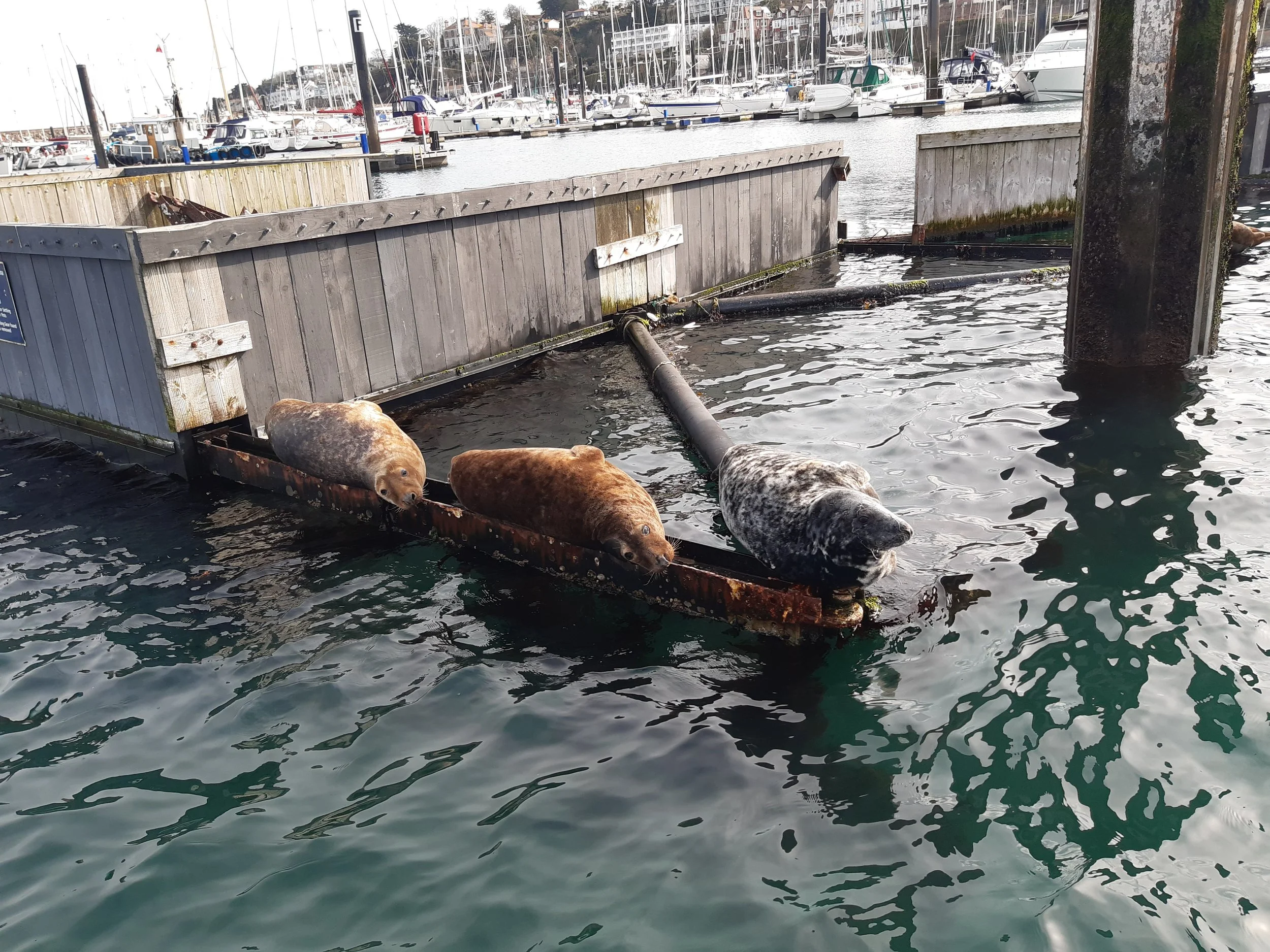
Low-maintenance floating breakwater design informed by detailed wave modelling, with biodiversity enhancements and targeted upgrades to existing structures.
Newhaven Fishing Stage
Rock-bag scour protection and sheet-pile detailing designed to minimise foreshore access, reduce installation risk and improve settlement tolerance, all while meeting licence conditions.
Murphys Wharf
Drone-led 3D modelling and underwater surveys enabled targeted strengthening works instead of full reconstruction, cutting material use and cost.
Local Authority Flood Schemes
Hybrid sheet-pile and soft-engineering solutions achieved resilience, carbon reduction and biodiversity uplift while meeting strict regulatory requirements.
6. The Outcome: Better Engineering, Better Environments
Sustainable coastal engineering isn’t about buzzwords — it’s about making better decisions.
By integrating sustainability into the design process, we consistently deliver:
lower embodied carbon
reduced material use
improved biodiversity
safer construction
extended asset life
clearer, faster decision-making
reduced whole-life cost
At TILT, we believe high-quality engineering and positive environmental outcomes are not opposing goals — they are mutually reinforcing. When sustainability and practicality work together, coastal infrastructure becomes more resilient, more affordable and more beneficial to the communities it supports.
Interested in exploring sustainable options for your coastal or marine project?
Our team would be happy to discuss how engineering-led design, smarter materials and practical environmental enhancements can support your objectives.